


.png)
.svg)
When the first implementation didn't work, we had to rethink our approach. The end result exceeded our original expectations.
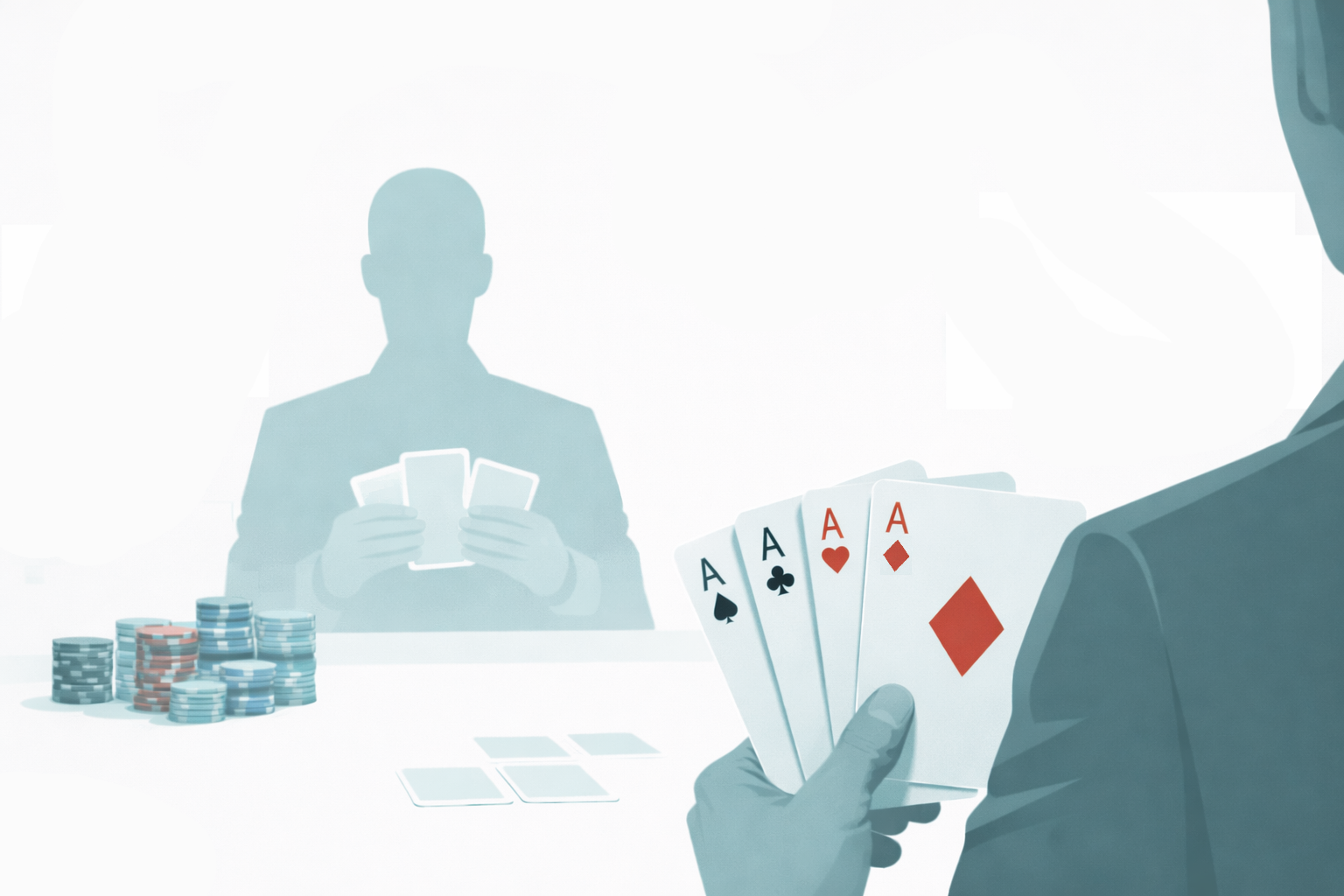
Imagine a poker game where you can't see your opponents, can't see their cards, and don't know their bets. The only information you get after each hand is whether you won or lost – but never by how much.
This is the game our client plays every day. Their business revolves around sealed-bid auctions where the lowest price wins, but no one ever reveals what the competitors offered. They asked us for an algorithm that would help them win more often. We took on the challenge, but the first attempt didn't quite deliver the results we were hoping for.
The first attempt didn't work
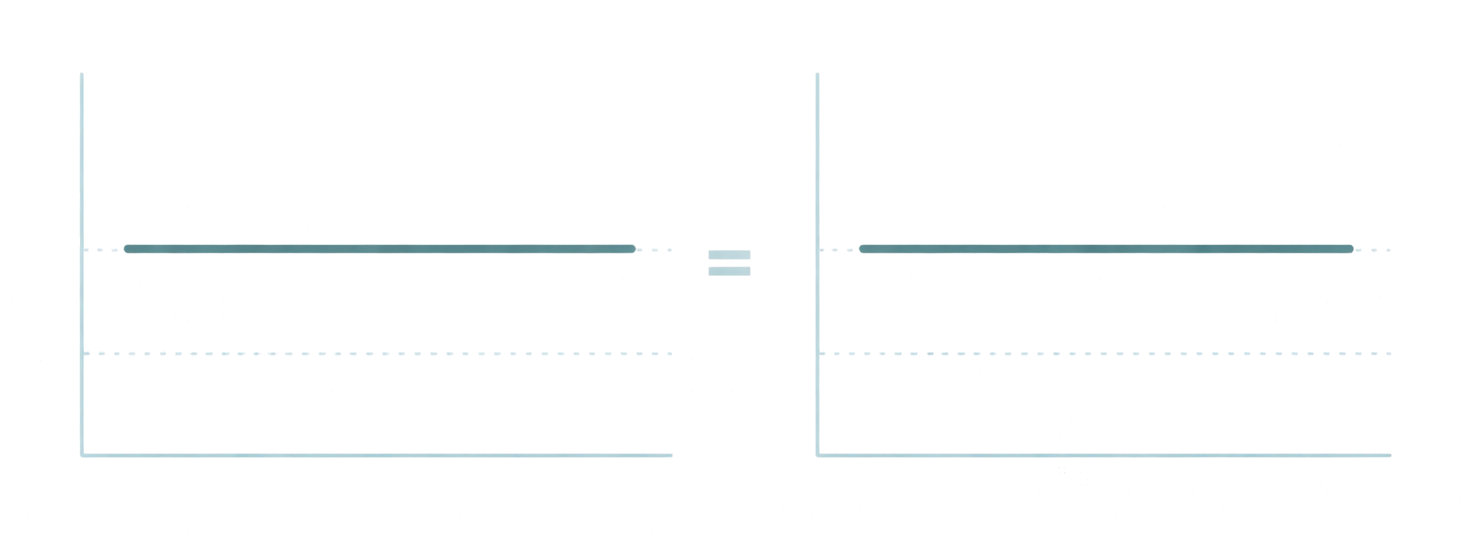
In the first phase, we built a machine learning model and fed it all available historical data. The model was deployed to production and we expected to see changes in pricing – but nothing happened. The model essentially replicated the exact same pricing the client had always used.
We had built an expensive and complex way to do what they were already doing.
At this point, it would have been easy to conclude that AI simply wasn't suited for this use case, or that the data wasn't sufficient. Instead, we decided to investigate why the model behaved this way.
The root cause turned out to be simple
The answer was ultimately clear: the model could predict based on historical bids, but it couldn't optimise. It looked backwards and repeated historical patterns rather than experimenting with anything new or learning from its own results.
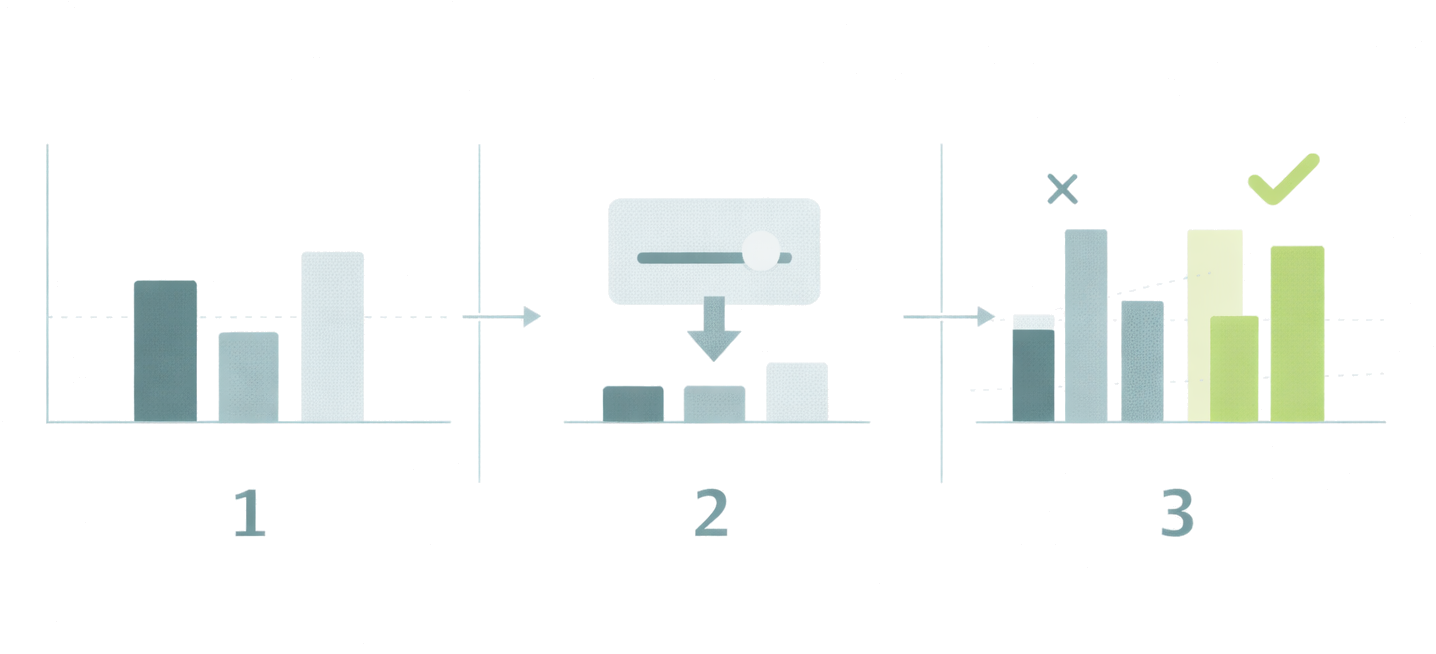
So we built a second layer on top of the model – a rule-based tuning system that did three things:
- It compared the new system's results against the old one in real time
- If losses started accumulating faster than usual, it automatically lowered prices
- It gradually learned which products could sustain higher prices and which couldn't
Simple, but effective.
The second pilot delivered unexpectedly strong results
When the new version went into production, the results clearly exceeded expectations. Profitability increased by 15–20 percent while sales volume grew by approximately 10 percent at the same time.
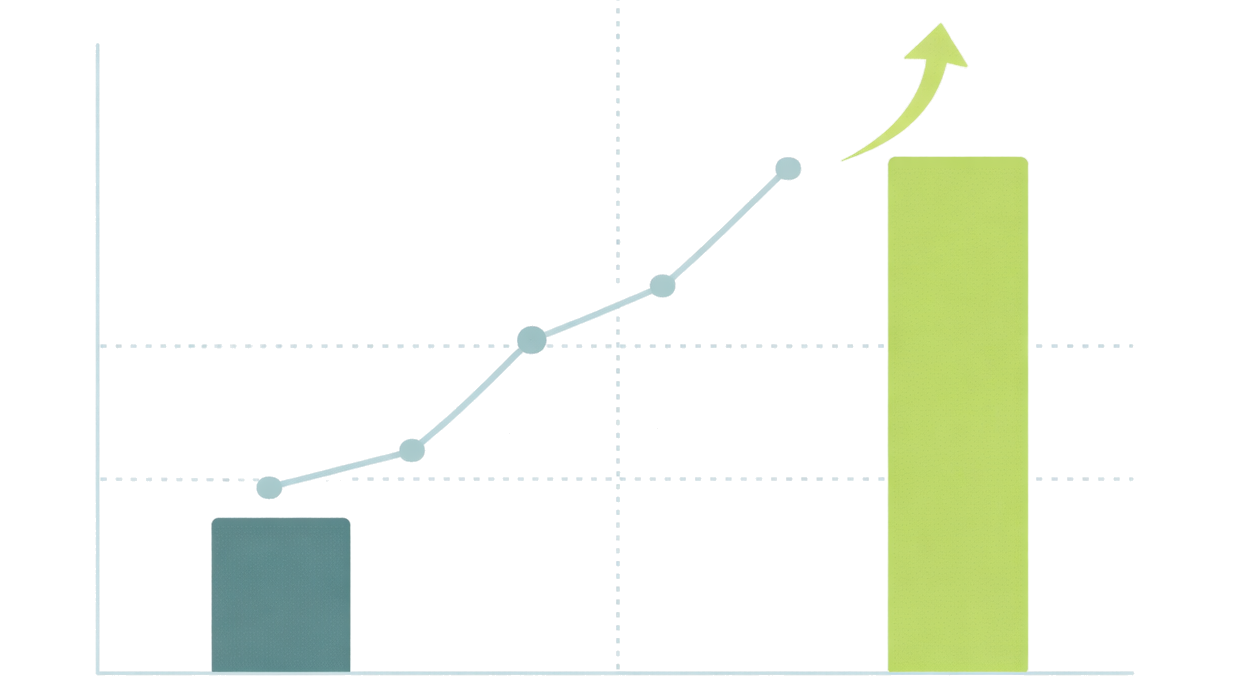
Normally, these two metrics work against each other: raising prices reduces sales, and lowering prices erodes margins. But the system identified products where the old pricing had been off. It lowered prices where losses were occurring unnecessarily and raised them where money was being left on the table.
The investment was modest and the payback period was short. The solution now generates continuous value month after month.
The most important lesson from this project wasn't about algorithms or data – it was about how you respond to setbacks. The first version rarely works perfectly, and that's completely normal. What matters is figuring out why something doesn't work and trying again.
If we had given up after the first setback, we would never have discovered what the second iteration could achieve.
Have you ever considered which "almost worked" AI project in your organisation might be worth another try?



.svg)


.png)
.png)


.svg)